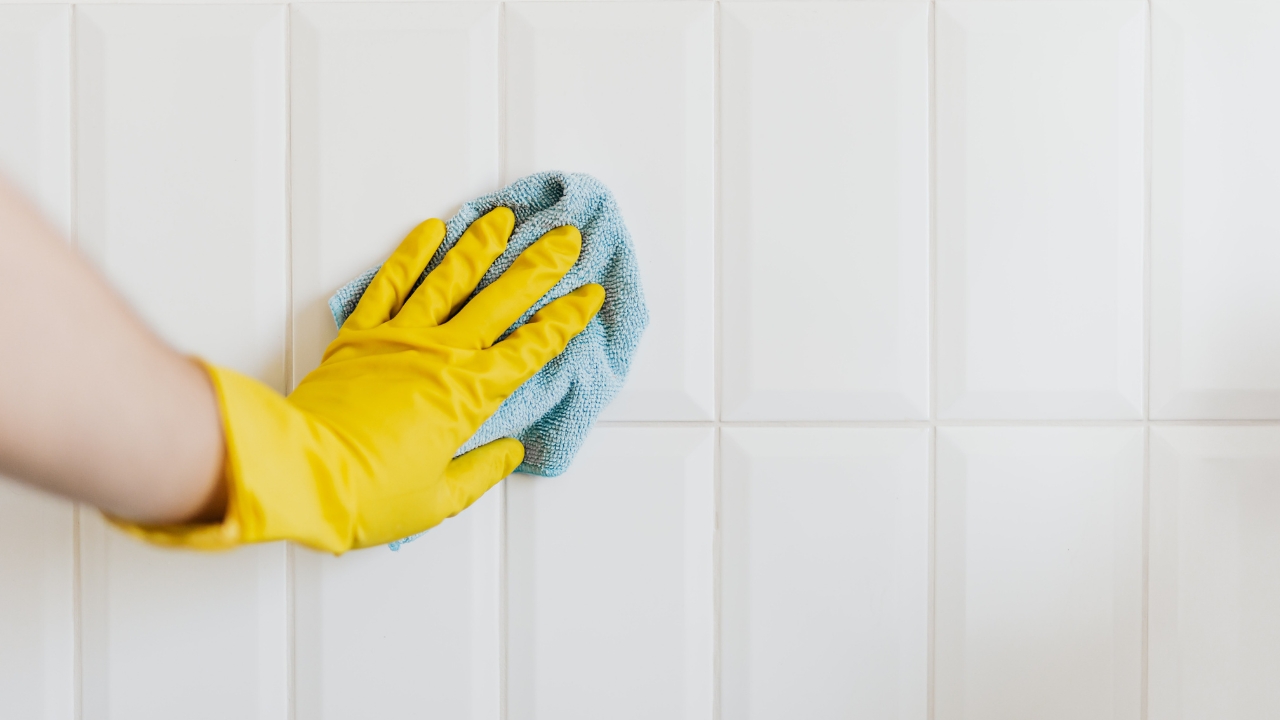


Perth tiles cop blazing summers, sudden downpours, and plenty of sand and grit. The result: beautiful floors and splashbacks that can dull, stain, or crack if they are not maintained. Here is a clear, eco-friendly plan for homeowners, tenants, and facilities managers on how to keep your Perth tiles looking brand new, without harsh chemicals or high effort.
Know Your Tiles and Local Risks
Common tile types in Perth homes and workplaces
- Porcelain: ultra-durable, usually glazed, low maintenance.
- Ceramic: reliable all-rounder, slightly more porous than porcelain.
- Natural stone (slate, marble, granite): porous and needs sealing; treat with stone-safe products only.
- Outdoor tiles (stone, porcelain pavers, mosaics): face weather, UV, and debris; need sturdier upkeep.
Climate factors that age tiles faster
- Heat and UV: dry out sealers and expand joints.
- Heavy rain and humidity: drive moisture into grout and substrates.
- Sand and grit: act like sandpaper, scratching glaze and wearing grout.
Daily and Weekly Eco Cleaning Routines
Your quick routine
- Dry remove first: sweep or vacuum daily to lift grit before it abrades the surface.
- Mop smart: once a week, mop with warm water and a pH-neutral cleaner. Rinse and dry with a clean cloth to prevent water spots, especially in kitchens and on glossy tiles.
- Ventilate: after mopping or showers, ventilate to reduce moisture sitting in grout.
Spills and stains: fast, gentle, effective
- Act immediately: blot spills to stop staining, especially on ceramic and natural stone.
- Choose the right cleaner:
- Glazed porcelain: mild detergent works; a diluted white vinegar solution can lift hard-water marks.
- Ceramic: mild detergent and hot water; avoid pushing dirty water into grout by using chamois or microfibre mops.
- Natural stone (slate, marble, granite): use stone-specific pH-neutral cleaners only. Avoid vinegar, bleach, and acids.
- Grout refresher: use a baking soda paste and a soft brush; rinse and dry, then seal.
Tile cleaner quick reference
| Tile type | Use for routine care | Avoid |
|---|---|---|
| Glazed porcelain | pH-neutral cleaner, microfibre mop | Abrasive pads, steel wool |
| Ceramic | pH-neutral cleaner, hot water, chamois | Forcing dirty water into grout |
| Natural stone | Stone-safe pH-neutral cleaner | Vinegar, bleach, acids |
| Outdoor tiles | Broom, low-to-mid pressure rinse | Harsh chemicals, high PSI too close |
Grout Care and Sealing That Lasts
Grout is porous and stains quickly. Keep it protected and easy to clean.
- Seal early, reseal regularly: seal cementitious grout after installation and then every 1–2 years in high-traffic or wet zones.
- Go waterproof in wet areas: use waterproof or epoxy grout in showers, bathrooms, and commercial kitchens to block moisture and mould.
- Clean gently: stick to baking soda paste or a grout-safe cleaner and a nylon brush.
- Professional reset: if grout stays dark or mouldy, book expert tile and grout cleaning in Perth to deep clean and re-seal without harsh chemicals.
Deep Cleaning and Annual Maintenance
Even with good routines, every tile area needs a deeper clean to strip residue and refresh protection.
- Annual deep clean: scrub tiles and grout to remove embedded oils, soap scum, and grime. Use pH-neutral or stone-safe products and rinse thoroughly.
- Dry fully: always dry surfaces to prevent re-soiling and water marks.
- Reseal porous surfaces: natural stone like slate needs sealing every 1–2 years (earlier in commercial or high-traffic spaces). Pick a penetrating sealer for a natural look, or a topical sealer for a sheen.
- Schedule by zone: kitchens, entries, bathrooms, and reception areas often need more frequent attention.
Prevent Damage Before It Starts
Physical protection that pays you back
- Use mats at entries to trap grit before it hits the floor.
- Fit felt or rubber pads under furniture; add chair glides in offices.
- Do not drag heavy or sharp objects across tiles; use trolleys or lift.
- Place protective boards under appliances during moves.
Outdoor and wet zones
- Seal outdoor stone and re-seal on schedule; check after a harsh summer.
- Use flexible adhesives and movement joints externally to handle temperature swings.
- Clear drains and fix cracked or loose tiles quickly to stop water ingress.
- Pressure wash every 2–3 months on outdoor tiles, using moderate pressure and a wide fan to protect grout and edges.
Repairs: DIY vs Calling the Pros
Small issues escalate if ignored. Tackle them promptly.
- Loose tiles: remove surrounding grout, lift the tile carefully, clean the bed, re-adhere, and re-grout. Allow to cure fully before use.
- Chipped or cracked tiles: replace with saved spares for a seamless look; hairline cracks in stone may be filled with a suitable stone filler.
- Safety first: damaged tiles and hollow spots are trip and water risks. If you lack time or tools, engage professionals for efficient, low-disruption repairs.
Facilities and Whole-Property Tips
- Align schedules: coordinate tile deep cleans with other services to minimise downtime.
- Soft flooring too: many sites mix hard and soft floors. Combine tile work with periodic carpet cleaning in Perth to keep the whole site fresh and allergen-light.
- Record-keeping: log seal dates, products used, and high-risk zones to plan proactive maintenance.
Keep Your Perth Tiles Pristine Year-Round
Ready to remove the guesswork and get a professional result with eco-friendly methods? Book a tailored clean and seal that suits your home or facility and Perth’s climate. For fast advice or a quote, get in touch.