

Perth homes and workplaces face a unique mix of dust, pollen, sand, and seasonal moisture. A professional carpet clean goes beyond looks; it helps reduce allergens like dust mites and mould spores, and extends the life of your flooring. Here is exactly what to expect from a qualified team, the methods that work in our climate, and how to keep carpets healthier between visits.
Why professional carpet cleaning matters in Perth
Carpets trap fine particles that trigger asthma and hay fever, both common in WA. Perth’s Mediterranean climate lets dust mites thrive year-round, while spring pollen and winter damp add to the load. Hot-water extraction (often called steam cleaning) paired with HEPA filtration removes embedded soils and allergens more effectively than vacuuming alone, improving indoor air quality for homes and offices.
What a professional service actually does on the day
Pre-inspection and testing
- Walk-through to map traffic lanes, stains, and fibre type (wool, nylon, solution-dyed nylon, blends).
- Dye-stability and pH checks so colours do not bleed and fibres are not damaged.
- Realistic stain assessment: which marks are removable, improvable, or permanent.
Preparation and safety
- Detailed HEPA pre-vacuum to lift dry soil before wet work.
- Furniture glides or blocks placed under legs; lightweight items moved as agreed.
- Trip-hazard and wet-floor signage for households and offices.
Cleaning methods explained
- Targeted pre-spotting for spills, oils, and tracked-in soils.
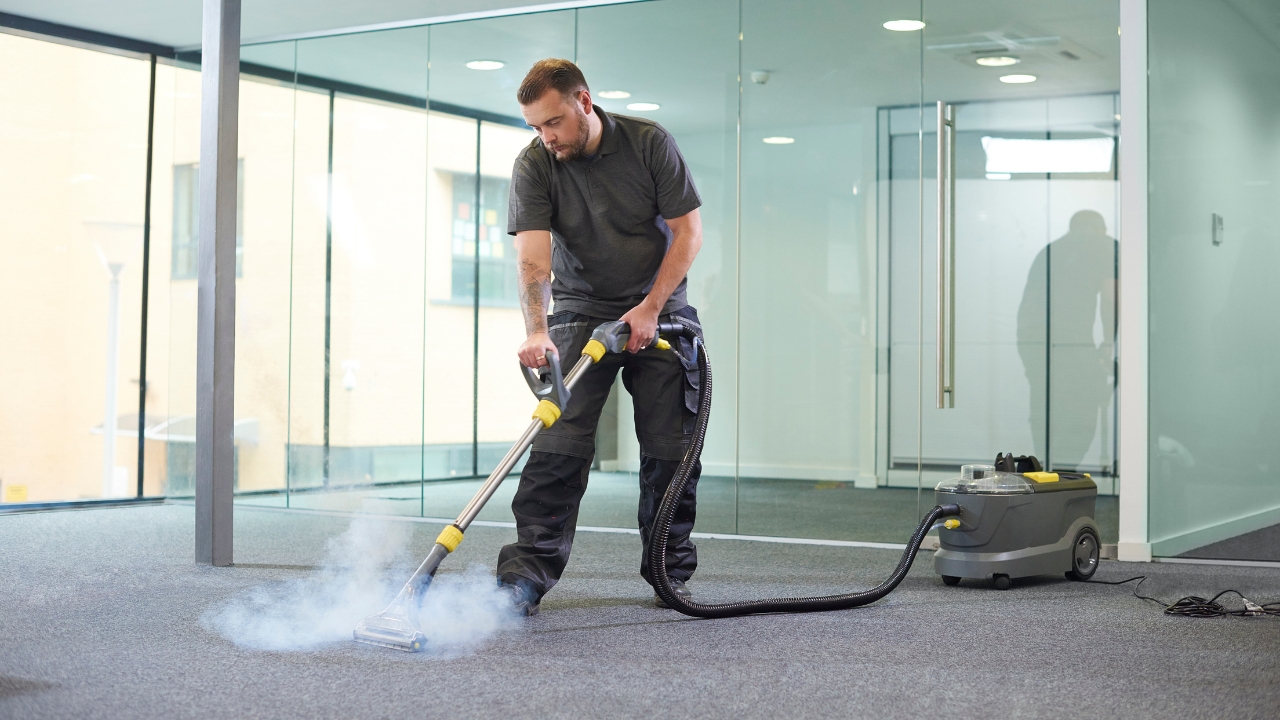
- Hot-water extraction for deep cleaning and allergen reduction.
- Low-moisture or encapsulation methods where fast turnaround is critical (some commercial sites) or where fibre limits water use.
Drying and post-clean checks
- Grooming pile to speed dry times and restore appearance.
- Air movers or dehumidifiers where humidity is high or airflow is limited.
- Moisture readings to confirm safe re-entry and reduce mould risk.
- Final walkthrough and aftercare guidance.
Methods compared: what works best and when
| Method | Best for | Not ideal for | Typical dry time |
|---|---|---|---|
| Hot-water extraction | Deep soil, allergen reduction, most residential and commercial carpets | Sites with zero downtime or moisture-restricted fibres | 3-8 hours depending on airflow and humidity |
| Low-moisture/encapsulation | Interim commercial maintenance, light soils, fast turnarounds | Heavy contamination, pet odours, deep allergen loads | 1-3 hours |
| Dry compound | Moisture-sensitive spots and some tiles/rugs | Heavily soiled broadloom, odour issues | 1-2 hours |
Note: Perth’s winter humidity and summer cooling can affect dry times. Good ventilation and targeted air movement reduce downtime.
Eco and health standards to ask for
- HEPA pre-vacuuming to capture fine particles instead of recirculating them.
- Low-VOC, biodegradable solutions appropriate for wool and synthetics.
- Temperature control above 60 C during extraction for hygiene while protecting fibres.
- Rapid-drying practices to curb mould risk within 24 hours.
- Wastewater captured and disposed of via appropriate sewer, never stormwater.
These steps balance results with indoor air quality and environmental care.
Practical expectations: time, access, noise, drying
- Time on site: allow 20-40 minutes per average room once set-up is complete; more for heavy soil or stains.
- Access: clear drive or lift booking helps if a truck-mount or large portable is used.
- Noise: extraction vacuums are audible; schedule around naps, meetings, or calls.
- Drying: light use in 2-4 hours with airflow; full cure overnight. Use fans, open windows when weather permits, and HVAC on fan mode.
Maintenance schedules that work in Perth
- Standard households: every 12-18 months.
- With pets or kids: every 6-12 months.
- Asthma/allergy-sensitive homes: every 6-9 months.
- Commercial spaces: quarterly to biannual, plus interim low-moisture cleans for appearance.
These timelines reflect how quickly allergens and soils rebuild in our climate and traffic patterns.
Preparing your space: homeowner and office checklists
- Declutter floors and move small items; pick up cables and toys.
- Vacuum day-of if dust levels are high; pros will still HEPA pre-vac.
- Reserve parking or lift access; confirm security and after-hours site rules.
- Identify spots and spills, previous DIY attempts, and warranty details.
- Arrange pets and staff schedules; place temporary signage for wet areas.
Common add-ons and when they are worth it
- Fibre protector: helps resist future spills on nylon and some wool; best right after a professional clean.
- Odour treatment: needed for pet accidents or musty areas; may require subsurface work.
- Flea or pest treatment: relevant for rentals with pets or end-of-lease clauses.
- Rug and upholstery cleaning: reduces the total allergen load across soft furnishings.
Gaps most guides miss: wastewater, warranties, high-rise logistics
Most web guides skip three Perth-specific realities:
- Wastewater management: trade effluent should go to sewer, not gardens or storm drains. Ask how your provider contains and disposes of it.
- Warranty compliance: many carpet warranties prefer periodic hot-water extraction and pH-safe chemistry. Keep invoices and note frequencies in case of claims.
- High-rise and strata sites: portable gear, lift bookings, loading bays, and after-hours access are critical. Confirm power availability, noise limits, and drying airflow plans before the day.
Choosing the right provider in Perth
- Proven method: hot-water extraction capability plus low-moisture options where suitable.
- Health focus: HEPA pre-vac, low-VOC solutions, and moisture verification.
- Local experience: plans for Perth humidity, pollen peaks, and winter drying.
- Clear scope: what is moved, what is not, realistic stain expectations, and aftercare.
If you are comparing options for carpet cleaning Perth, look for transparent process, safety-first drying, and evidence-led methods. Booking a seasoned professional carpet cleaner Perth helps you avoid residues, re-soiling, and warranty headaches.
Keep your floors healthy longer: simple aftercare
- Ventilate rooms after cleaning; run fans or HVAC fan mode to speed drying.
- Use mats at entries and make your home or office a low-shoe zone during spring pollen and windy days.
- Vacuum high-traffic lanes slowly, twice weekly, with a sealed HEPA machine.
- Treat spills fast: blot, do not rub; avoid store-bought high-pH products on wool.
Get expert help, the Perth way
Ready for cleaner, healthier carpets with eco-conscious care and minimal downtime? Book a local team that matches method to fibre, climate, and your schedule. For quotes and availability, Get in touch and we will tailor a plan for your home or workspace.